Most people are surprised when they learn how little product it takes to change a lip. A single syringe of HA lip filler is typically 1 milliliter, about a fifth of a teaspoon. Despite the tiny volume, that milliliter carries weight: it can sharpen a cupid’s bow, even out asymmetry, hydrate vertical lines, or create a plush, photo-ready pout. The choice between a half syringe and a full syringe is less about a number and more about anatomy, goals, and the technique of the injector. If you understand what each amount can reasonably achieve, you’ll walk into your lip filler consultation with clarity and walk out happy with your lip filler results.
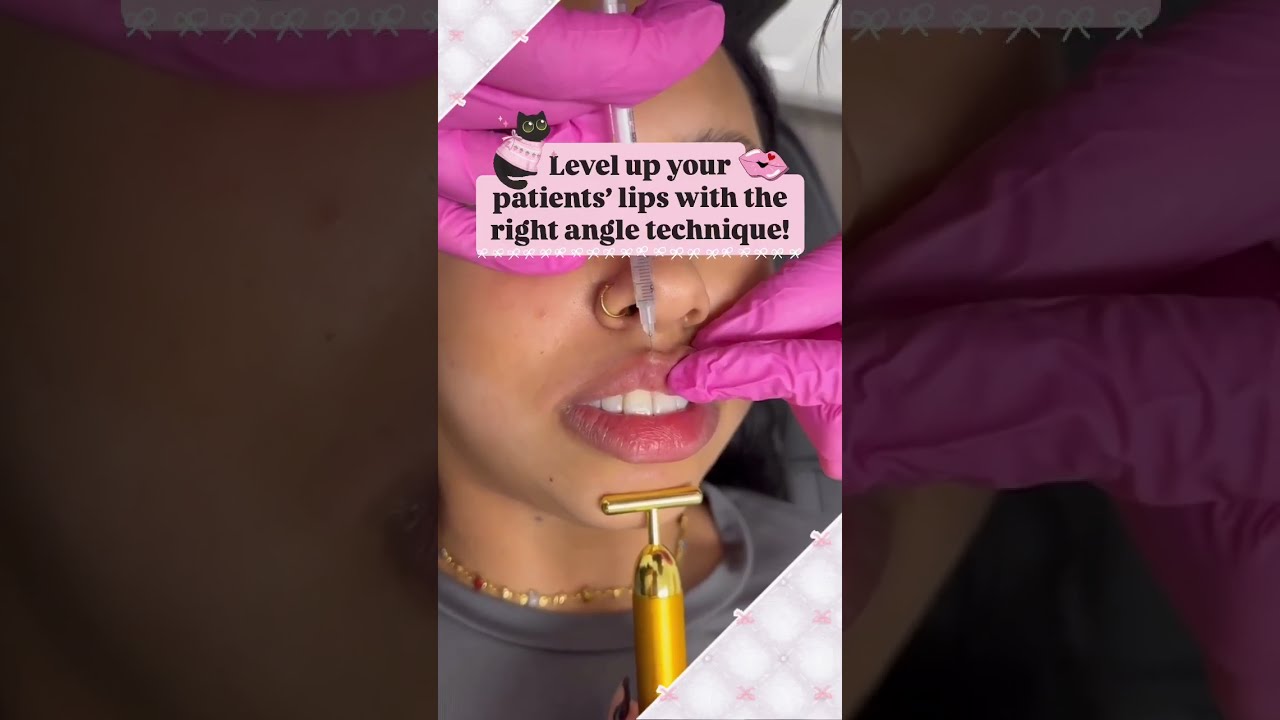
I have treated first-time patients who assumed they needed “just a touch,” and others who were convinced a whole syringe would be too much. The right answer depended on lip structure, skin quality, and the style they wanted. Consider this your grounded, judgment-forward primer to help you decide whether a half syringe or a full syringe of hyaluronic acid lip filler makes sense for you.
What a Syringe Actually Means
Most cosmetic lip fillers for the lips come in prefilled 1.0 mL syringes. A half syringe is 0.5 mL. That volume is not standardized across brands for softness or lift, but the measurement is. When we talk about a “full syringe,” we are not talking about a dramatic or unnatural amount; we are talking about a relatively conservative quantity of dermal filler.

Hyaluronic acid lip filler integrates into tissue and binds water, which is why HA lip filler gives lips a hydrated, pillowy look. Different lip filler types, like more elastic gels versus firmer gels, behave differently in motion. Your injector will pair the gel with the task: a cohesive, slightly firmer product for border definition, a softer gel for lip hydration injections or to smooth lip lines. This pairing matters more than the exact milliliter count in many cases.
Start With Your Anatomy, Not a Trend
Patient goals vary. Some want subtle lip filler that reads as “rested, well hydrated.” Others want visible lip volume enhancement that photographs like a gloss. The same 1 mL will not look the same on everyone. A petite lip with tight tissue and a strong orbicularis oris muscle may accept only 0.5 mL comfortably in one session, while a fuller lip with laxity and good stretch can support a full syringe without obvious swelling beyond the usual.
An injector will look at several factors:
- Lip length and height, particularly the vertical height of the upper and lower vermilion. Dental support and bite, which influence projection. Skin thickness, presence of lipstick lines, and hydration. Symmetry between right and left, and the shape of the cupid’s bow and philtral columns.
Anecdotally, I see the best first-time outcomes when we respect tissue capacity. If your lips are thin and tight, we often stage the lip augmentation treatment in two sessions, starting with 0.5 mL, letting it settle, then adding 0.3 to 0.7 mL later depending on the plan. This pacing reduces filler migration risk, keeps the lip border crisp, and avoids a top-heavy look.
What a Half Syringe Can Do Well
A half syringe is ideal for patients who want refinement without reading as “filled.” Think of it as the whisper, not the shout. It is especially good for first-time lip filler, conservative aesthetics, and lip rejuvenation in mature lips.
With 0.5 mL, a lip filler specialist can:
- Define the lip border lightly, help the cupid’s bow recurvature, and correct minor symmetry. Soften superficial lip lines while keeping the lip profile unchanged. Add a touch of vertical height to the upper lip, enough to catch light and hold a balm with more sheen. Address a single focal concern, such as a slightly rolled-in upper lip that vanishes when you smile.
Expect subtle lip filler. You will notice it more than strangers do. If you look at lip filler before and after photos of half-syringe treatments, the results read as fresher and more hydrated rather than larger. The trade-off is limited lift. If you want actual volume, or if you have a long upper lip that tucks under on animation, half a syringe may underwhelm you.
What a Full Syringe Can Do Well
One milliliter gives your injector room to sculpt. It allows a blend of border work, tubercle support, and soft volume. For lips with adequate tissue and strong goals for shape and projection, a single syringe can deliver a noticeable but tasteful enhancement in a single visit.
With 1.0 mL, a lip filler expert can:
- Add defined pillars to the cupid’s bow and refine the philtral show without over-accenting. Balance upper and lower lip ratios, often moving close to a 1:1.6 aesthetic when appropriate. Improve oblique-view projection, which photographs beautifully and adds youthful roundness. Correct mild asymmetry and support corners, reducing a downturned appearance at rest.
A single syringe gives you more flexibility in lip filler technique. We can change how light hits the vermilion and subtly contour the peaks and midline. If you have prior filler that has mostly metabolized but left you a touch deflated, 1 mL is a clean, reliable refresh. If you are used to a lip flip with neurotoxin and want a fuller show at rest, combining a full syringe with or without a lip flip can be a predictable step up.
How to Decide Between 0.5 mL and 1.0 mL
Here is a concise, decision-friendly comparison, based on common scenarios I see in the clinic.
- If you want lip hydration and line softening more than size, choose 0.5 mL. If you want visibly fuller lips that still read natural, choose 1.0 mL. If your lips are very thin or tight, start with 0.5 mL to gauge how you swell and heal, then add later. If you are matching a reference photo with clear volume and shape changes, plan on 1.0 mL, sometimes staged as 0.7 mL then 0.3 mL at a touch up. If you have asymmetry that bothers you every time you apply lipstick, 0.5 mL used surgically for balancing often solves it.
The beauty of HA lip filler is reversibility and adjustability. If you prefer to build slowly, we can. If you have an event and want a polished, one-and-done enhancement, a full syringe delivered with a conservative plan can meet the moment.
Beyond Volume: Technique Shapes the Result
Two patients can receive the same volume but end up with different outcomes because of technique. Modern lip filler techniques prioritize structure and movement. We map the patient’s lip columns and tubercles, place small, measured strands or micro-aliquots, and contour the border with care. Many injectors avoid heavy, linear threads at the vermilion border to prevent migration into the cutaneous lip. Some use cannulas for reduced bruising in specific planes, and needles for precision in others.
Filler choice matters. For lip enhancement injections aiming at voluptuous gloss, a soft, high-HA gel with good spread can shine. For crisp definition at the border or to rebuild a blurred cupid’s bow, a slightly firmer gel helps hold shape. Brands are less important than the properties of the gel: elasticity, cohesivity, G prime, and how it behaves under animation. Your lip filler nurse injector or doctor will guide you toward the best type of lip filler for your goals.
What About the Lip Flip vs Lip Filler?
The lip flip uses small amounts of neurotoxin around the mouth to relax the muscle that tucks the lip in, allowing a little more red show. It is not a volume treatment. If you love the way your top lip shows in a smile with a flip but still feel flat from the side, lip filler injections can add the projection a flip cannot. The combination can be elegant, especially for patients who purse tightly or lose their upper lip when they grin.
How Long Does Lip Filler Last?
For most patients, temporary lip filler lasts about 6 to 12 months, sometimes longer if you build gradually over multiple sessions. Metabolism, muscle movement, and product choice all play roles. Lips move constantly; they metabolize filler faster than a tear trough or a temple. If you want to maintain a specific style of lip augmentation, plan for a lip filler touch up every 6 to 9 months. If you prefer a softened, never-flat look, yearly is common.
Swelling, Bruising, and Pain: What to Expect
Even a light touch can swell. Plan for a swell curve: day 1 to 3 is peak puff, day 4 to 7 it settles, and week 2 you see more of the true result. Bruising ranges from none to a few small spots; blood thinners and supplements like fish oil can increase risk. Most patients describe lip injections as a 3 to 5 out of 10 for pain. We use strong topical anesthetics and many HA fillers include lidocaine, which helps as the session continues. A chilled pack and arnica can be helpful, but the biggest comfort tip is to schedule when you can lie low for 24 to 48 hours.
Common lip filler side effects include swelling, tenderness, and mild bruising. Rare risks include vascular occlusion, which needs urgent treatment. Choose a clinical setting where a lip filler specialist carries hyaluronidase and understands advanced lip filler techniques and safety protocols. If your injector discusses lip filler risks and the plan to manage them, you are in the right room.
The Role of Staging and Maintenance
First-time patients often benefit from staging: use 0.5 to 1.0 mL, let the tissue adapt, reassess, and then fine-tune. Staging improves longevity because structured layering can last longer than a single bolus. It also improves precision, especially for lip filler for symmetry or shape. If you have an established baseline, a smaller maintenance dose, like 0.4 to 0.7 mL, can sustain the look without feeling like you are starting over.
Lip filler maintenance is not one-size-fits-all. Some patients metabolize slowly and only need a lip filler refill annually. Others are frequent lip biters or heavy exercisers and prefer a 6-month rhythm. Your lip filler clinic should track your results and help you predict your curve.
Budgeting and Value
A common mistake is trying to stretch half a syringe to do a full syringe’s job. It is better to spend once on the amount that achieves your goal than to nickel-and-dime your way through three minor sessions that never quite get there. That said, half a syringe is cost-efficient for hydration, border refinement, and first-time tests.
Lip filler pricing varies by brand, injector experience, and region. Affordable lip filler exists, but ensure you are comparing apples to apples: sterile medical environment, top-rated lip filler brands, a clinician who can handle complications, and time for proper assessment. Clinics run lip filler specials and lip filler deals at times, often bundled with neurotoxin or skin services. Specials are fine, but do not let a discount pick your product or dose. The plan should come from your anatomy and goals.
How We Build a Plan in the Chair
A good lip filler consultation takes 15 to 30 minutes. The injector will take a thorough history, assess the lips at rest and with movement, and discuss what you like and what you notice in photos. We often snap standardized shots for lip filler before and after documentation, which also helps track swelling and healing.
Then we choose style. Some patients like a rounded, plush center with gentle taper. Others want a lifted cupid’s bow with strong columns and defined peaks. A few want a flatter, model-off-duty shape with clear border but restrained volume. Your plan might involve mixing techniques: tiny strands to the tubercles for center fullness, micro-droplets for hydration, and a whisper along the border for definition. If you have prior filler that migrated or flattened the philtrum, a lip filler dissolving service may be part of the plan before we rebuild.
When Dissolving Makes Sense
Hyaluronidase dissolves HA lip filler. If you have old product that sits above the vermilion or creates a shadow mustache in certain lighting, dissolving can restore clean anatomy. It stings a bit and may require more than one session for stubborn gels. After dissolving, we wait roughly 1 to 4 weeks before re-injecting, depending on how much hyaluronidase was used and the tissue response. Patients often worry they will “lose their lips” after dissolving. In reality, you return to baseline, then we rebuild with better design, using modern lip filler techniques to avoid migration.
Safety Signals and Red Flags
Any injector should brief you on signs of a vascular event: disproportionate pain, blanching, livedo, or gray skin. These are rare but serious. You should have a same-day line to your provider. Another red flag is cookie-cutter dosing. If an office recommends 1 mL to everyone regardless of anatomy, keep looking. The lip is not a one-syringe-fits-all situation. You deserve a tailored plan from a lip filler expert who understands both artistry and medical safety.
Aftercare That Actually Helps
Proper aftercare improves outcomes. Skip strenuous workouts and saunas for 24 to solumaaesthetics.com lip filler Orlando FL 48 hours. Keep your head elevated the first night. Avoid heavy exfoliants or actives around the mouth for a few days. Ice briefly, wrapped in cloth, to reduce swelling. Do not massage unless your injector instructs you. Expect minor irregularities early; lips feel bumpy under the skin while the gel settles and swelling resolves. By the two-week check, most of these normalize.
A Few Real-World Scenarios
A 26-year-old with balanced lips and good dental support wants a little more volume for photos. She brings a reference with softly glossy lips that catch light at the center. We choose 1 mL of a soft, cohesive HA lip filler, focusing on central tubercles and gentle border support. Swelling peaks at 48 hours, then settles. At her two-week follow-up, she has the exact look with no need for more product.
A 42-year-old with lipstick lines and a slightly flattened cupid’s bow wants rejuvenation, not a larger mouth. We use 0.5 mL of a flexible gel to hydrate and define, with microthreads at the border and micro-droplets in the white roll. Her lip reads smoother, the bow pops in profile, and lipstick stops feathering. She returns at 6 months for a small top-up of 0.3 mL.
A 31-year-old had filler two years ago that migrated above the vermilion, giving a blurred border. We dissolve, wait 3 weeks, then rebuild with 0.8 mL, placing carefully inside the vermilion and avoiding heavy border threading. She returns a month later for 0.2 mL refinement. Clean border, balanced height, and zero migration.
Lip Filler vs Lip Plumper
Topical lip plumpers use irritants like capsicum or menthol to swell the surface temporarily. They are useful for a night out but do not change shape, fix asymmetry, or add lasting volume. Lip augmentation injections can, which is why patients seeking structural changes choose filler. That said, a good balm or plumper looks great on top of a well-shaped lip and can accentuate your new curves.
How Many Syringes Over Time?
For ongoing lip enhancement treatment, most patients live happily in the 1 to 2 mL per year range, often delivered as staged micro-treatments. Those seeking celebrity lip filler styles may build to 1.5 to 2.0 mL over several months, then maintain with 0.5 to 0.8 mL twice a year. It is uncommon and usually unnecessary to place more than 1.0 mL in a single sitting for first-timers, unless the anatomy is robust and the plan is careful. The goal is stable, graceful lips that look good in motion, not just in selfies.
Cost, Offers, and Choosing a Provider
Seek a professional lip filler environment with medical oversight. Whether your injector is a lip filler doctor or a skilled lip filler nurse injector, you want someone who treats lips routinely, not as an occasional add-on. Ask to see a range of their own lip filler before and after photos that resemble your starting point. If a clinic advertises premium lip filler, luxury lip filler, or celebrity lip filler, look beyond the tagline to the injector’s portfolio and safety record. Lip filler pricing should be transparent. Packages and lip filler offers are fine if they align with your needs. Do not let a bargain override fit, skill, and communication.
The Bottom Line on Half vs Full
A half syringe is perfect when you want refinement, hydration, and subtle shape changes. A full syringe is the sweet spot for noticeable, still-natural volume and shape in one visit. Your anatomy and style dictate the plan. If your lips are thin or you are brand new to filler, start with less, let it settle, and build. If your lips can accommodate and your goal is visible change, use the full syringe with a conservative, precise technique.
If you are unsure, book a lip filler consultation with an experienced injector. Bring reference photos that reflect the size and style you like. Be honest about your timeline, pain tolerance, and maintenance comfort. Ask about filler types, safety protocols, and the plan for touch ups. The right lip filler appointment feels like a collaboration, not a sales pitch.
A Simple Pre-Visit Checklist
- Clarify your goal: hydration and definition, or visible volume and shape. Gather two or three reference photos that match your anatomy and taste. Share your medical history, medications, and any history of cold sores. Time your visit so you can accommodate 48 hours of potential swelling. Ask about product choice, technique, and what amount your injector recommends and why.
When lips are done well, nobody compliments your filler. They compliment your face. Whether you choose a half syringe or a full syringe, prioritize natural proportion, careful technique, and a provider who treats your lips as the living, moving tissue they are. That is how you get the most natural-looking lip filler, the kind that feels like you, only better.